
Cruising With a Conscience: Essential Tips for Eco-Friendly Cruising
I’m excited to share with you the essential tips for eco-friendly cruising. Did you know that every year, cruise ships generate around 1 billion gallons of sewage? But fear not! There are sustainable cruising practices, features of eco-friendly ships, waste management strategies, conservation efforts onboard, and ways to embrace green cruising that can make a,
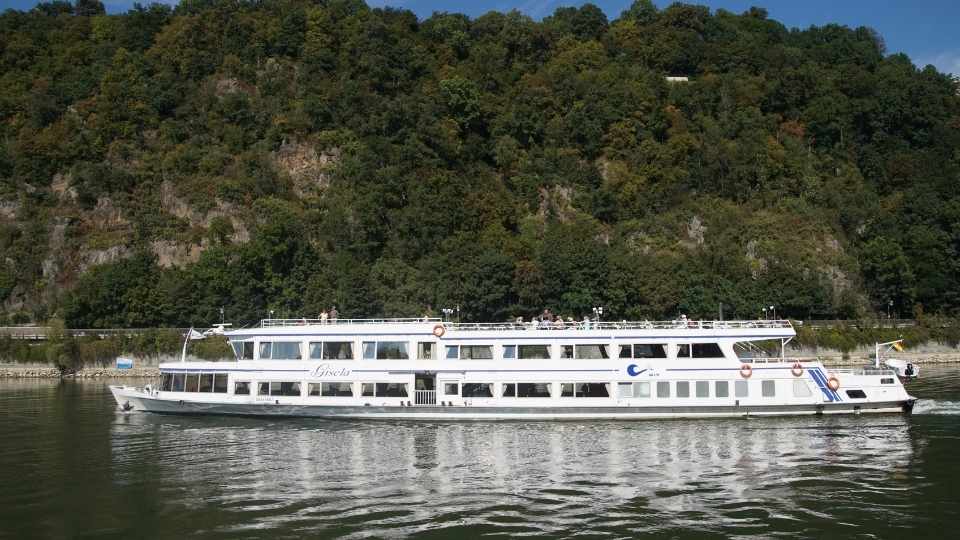
I’m excited to share with you the essential tips for eco-friendly cruising.
Did you know that every year, cruise ships generate around 1 billion gallons of sewage? But fear not! There are sustainable cruising practices, features of eco-friendly ships, waste management strategies, conservation efforts onboard, and ways to embrace green cruising that can make a difference.
Join me as we explore these practices and learn how to cruise with a conscience while enjoying the freedom of the open sea.
Key Takeaways
- Reduce carbon emissions and promote responsible tourism
- Choose eco-friendly cruise lines and support green initiatives
- Utilize advanced technology for fuel consumption reduction and air pollution minimization
- Participate in responsible shore excursions and minimize waste generation through recycling and proper disposal onboard.
Sustainable Cruising Practices
Sustainable cruising practices involve reducing carbon emissions and promoting responsible tourism. By choosing eco-friendly cruise lines and supporting green initiatives, we can make a positive impact on our environment while still enjoying the freedom of travel.
One key practice is the use of advanced technology to reduce fuel consumption and minimize air pollution. Ships are equipped with energy-efficient engines and alternative power sources such as solar panels or wind turbines.
Additionally, waste management strategies play a crucial role in sustainable cruising. Recycling programs are implemented onboard, minimizing waste sent to landfills. Conservation efforts like water conservation, reef protection, and wildlife preservation also contribute to sustainable cruising practices.
Together, these initiatives ensure that future generations can experience the beauty of our planet’s oceans while embracing a greener way of exploring the world.

Features of Eco-Friendly Ships
When it comes to sustainable cruising, two crucial factors that often get overlooked are energy-efficient propulsion systems and the use of sustainable building materials.
Energy-efficient propulsion systems help reduce fuel consumption and emissions, making them a key component in creating a more environmentally friendly cruise industry.
Additionally, using sustainable building materials not only ensures the longevity of the ships but also minimizes their ecological impact throughout their lifecycle.
Energy-Efficient Propulsion Systems
Cruising ships nowadays use energy-efficient propulsion systems to minimize their environmental impact. These advanced systems are designed to reduce fuel consumption and emissions, making them an excellent choice for eco-conscious travelers. With the use of cutting-edge technologies such as hybrid engines and electric propulsion, these ships can navigate through the seas while causing minimal harm to marine life.
Energy-efficient propulsion systems work by optimizing fuel efficiency and reducing greenhouse gas emissions. By utilizing cleaner fuels, such as liquefied natural gas (LNG), ships can significantly reduce their carbon footprint. Additionally, innovative designs like hull coatings and streamlined shapes help reduce drag and improve overall efficiency.
Not only do these energy-efficient propulsion systems benefit the environment, but they also offer a smoother sailing experience for passengers. The reduced vibration and noise levels ensure a more comfortable journey.
As we explore sustainable cruising practices, it’s essential to consider not only the propulsion system but also the materials used in ship construction. Sustainable building materials play a vital role in minimizing environmental impact throughout a ship’s lifecycle.

Sustainable Building Materials
By utilizing sustainable building materials, ships can reduce their environmental impact and contribute to a greener future. When it comes to constructing cruise ships, choosing the right materials is crucial in minimizing harm to the environment.
Sustainable building materials are those that have a lower carbon footprint, are responsibly sourced, and can be recycled or reused. For example, using reclaimed wood for decking or renewable bamboo for flooring not only adds an elegant touch but also helps preserve natural resources. Additionally, incorporating eco-friendly insulation made from recycled materials can enhance energy efficiency onboard.
These small changes in material choices can make a significant difference in reducing the ecological footprint of cruise ships.
Now let’s delve into waste management strategies onboard these eco-friendly vessels…
Waste Management Strategies
As an environmentally conscious individual, I believe that it’s crucial for us to prioritize waste management strategies. These strategies should focus on reducing, reusing, and recycling. By implementing these practices in our daily lives, we can significantly minimize our environmental impact and contribute towards a sustainable future.
Additionally, sustainable waste disposal methods should be adopted globally. This will ensure the long-term preservation of our planet’s resources and minimize pollution.
Reduce, Reuse, Recycle
To minimize waste, passengers can easily participate in onboard recycling programs. Most cruise ships have designated recycling bins conveniently placed throughout the ship, making it easy for passengers to separate their recyclables from other waste. Items such as plastic bottles, aluminum cans, paper products, and even electronic devices can be recycled onboard. Recycling is an effective way to reduce our ecological footprint and protect the beautiful destinations we visit. By actively participating in these recycling programs, we are promoting a circular economy and helping to conserve valuable resources.

As a responsible traveler who desires freedom and wants to make a positive impact on the environment, it’s important to embrace sustainable practices while cruising. Let’s take advantage of these opportunities and show our commitment to preserving the planet for future generations. Together, we can make a difference!
Sustainable Waste Disposal
When it comes to eco-friendly cruising, sustainable waste disposal is a crucial aspect to consider. As I mentioned earlier, reducing, reusing, and recycling are essential practices onboard. But what happens to the waste that cannot be recycled or reused? This is where sustainable waste disposal methods come into play.
Here are some key strategies that eco-friendly cruise lines implement:
- Waste sorting: Onboard recycling centers separate different types of waste.
- Incineration: Some ships have advanced incinerators that burn trash at high temperatures, minimizing environmental impact.
- Composting: Food waste can be transformed into nutrient-rich compost for gardens or local farms.
- Offshore disposal: Ships can legally dispose of certain types of waste in designated areas far from shorelines.
- Collaboration with local communities: Cruise lines work closely with coastal communities to ensure proper waste management.
Minimizing Environmental Impact
Implementing sustainable waste disposal methods can greatly minimize the environmental impact of cruise ships. As a responsible traveler who values freedom and wants to protect our planet, it is crucial to understand how we can reduce our ecological footprint while enjoying the luxury of cruising.
One effective way to achieve this is by adopting advanced waste management strategies onboard. By implementing recycling programs, composting facilities, and wastewater treatment systems, cruise ships can significantly reduce their landfill contributions and pollution levels. Additionally, the use of innovative technologies like waste-to-energy conversion can further enhance sustainability efforts.
It’s important for cruise lines to prioritize these practices and actively seek ways to minimize their environmental impact. By doing so, they not only provide us with unforgettable experiences but also ensure a cleaner and healthier planet for future generations to enjoy.
Conservation Efforts Onboard
One way eco-friendly ships demonstrate their commitment to conservation is by using advanced technologies to minimize energy consumption. These innovative measures not only reduce the environmental impact of cruising but also contribute to a more enjoyable and sustainable experience for passengers.

Here are five ways that eco-friendly ships prioritize conservation efforts onboard:
-
Efficient propulsion systems: Eco-friendly ships utilize advanced propulsion systems such as hybrid or electric engines, which significantly reduce fuel consumption and emissions.
-
Energy-efficient lighting: LED lights are used throughout the ship, consuming less power while still providing ample illumination.
-
Waste management systems: Eco-friendly ships implement state-of-the-art waste management systems that minimize waste generation and ensure proper recycling and disposal.
-
Water conservation initiatives: Through modern water treatment technologies, eco-friendly ships recycle and reuse water onboard, reducing freshwater consumption.
-
Sustainable sourcing practices: These ships prioritize locally sourced, organic, and sustainably produced goods to support local communities and minimize environmental impact.
Embracing Green Cruising
Discover how you can support sustainable practices and reduce your environmental impact by choosing to embark on a green cruise. By opting for a green cruise, you can actively contribute to the preservation of our planet while still enjoying the freedom and adventure of cruising.

Green cruises prioritize eco-friendly initiatives such as reducing carbon emissions, conserving water resources, and implementing innovative waste management strategies. These ships are equipped with state-of-the-art technology that minimizes their ecological footprint without compromising on comfort or luxury. Onboard, you will find energy-efficient amenities, organic food options, and eco-conscious activities that promote environmental stewardship.
Embracing green cruising allows you to make a positive difference in protecting our oceans and natural ecosystems. Transitioning into responsible shore excursions further enhances your commitment to sustainable travel practices.
Transition: Now let’s explore the importance of responsible shore excursions during your green cruise journey…
Responsible Shore Excursions
When exploring responsible shore excursions, you’ll have the opportunity to engage in activities that support local communities and protect natural habitats. These excursions are not only a way to enjoy your time on land, but also a chance to make a positive impact on the places you visit.
Here are five reasons why responsible shore excursions are worth considering:
-
Immerse yourself in local culture: Experience the authentic traditions, cuisine, and way of life of the community you’re visiting.
-
Support local economies: By participating in local tours and purchasing goods from small businesses, you contribute directly to the economic growth of the community.

-
Protect wildlife and ecosystems: Choose excursions that promote conservation efforts, such as snorkeling tours that focus on marine protection or hiking trips that educate about flora and fauna preservation.
-
Learn from knowledgeable guides: Engage with passionate locals who can share their expertise about the environment and cultural heritage.
-
Create lasting memories: Responsible shore excursions offer unique experiences that will stay with you forever.
Carbon Footprint Reduction Initiatives
When it comes to eco-friendly cruising, one of the key aspects to focus on is reducing our carbon footprint. As a responsible traveler, I have learned that cruise lines are taking significant steps towards implementing carbon footprint reduction initiatives. These initiatives aim to minimize the environmental impact of cruising and promote sustainability.
One effective way cruise lines achieve this is by investing in advanced technologies like hybrid engines or alternative fuels such as LNG (liquefied natural gas). By using cleaner energy sources, ships can reduce their emissions significantly, resulting in a lower carbon footprint.
Additionally, cruise lines are also committed to optimizing fuel consumption through various measures such as hull design improvements and onboard energy efficiency programs. These efforts not only reduce greenhouse gas emissions but also save energy costs.
Frequently Asked Questions
What Are Some Popular Destinations for Eco-Friendly Cruises?
Some popular destinations for eco-friendly cruises include Alaska, the Galapagos Islands, and Norway. These regions offer breathtaking natural beauty and prioritize sustainable practices to protect their delicate ecosystems.

How Can Passengers Contribute to Waste Management Efforts Onboard?
Passengers can contribute to waste management efforts onboard by practicing proper recycling and disposal of waste, using refillable water bottles, minimizing single-use items, and participating in onboard sustainability programs and activities. Together, we can make a difference.
Are There Any Specific Regulations or Certifications That Eco-Friendly Cruise Ships Must Adhere To?
Yes, there are specific regulations and certifications that eco-friendly cruise ships must adhere to. These ensure that the ships are meeting certain environmental standards, such as reducing emissions and implementing sustainable practices.
What Measures Are Taken to Ensure the Conservation of Marine Life During Cruises?
Measures taken to conserve marine life during cruises include strict adherence to speed limits in sensitive areas, avoiding the release of harmful substances into the water, and implementing programs for responsible wildlife viewing.
Are There Any Incentives or Rewards for Passengers Who Actively Participate in Carbon Footprint Reduction Initiatives?
Yes, there are incentives and rewards for passengers who actively participate in carbon footprint reduction initiatives. By embracing green practices, passengers can earn perks such as onboard credits, discounts on future cruises, and even exclusive access to eco-friendly excursions.
, , [#item_full_content]